Published by Portland Maine Mold Removal
The architecture problem
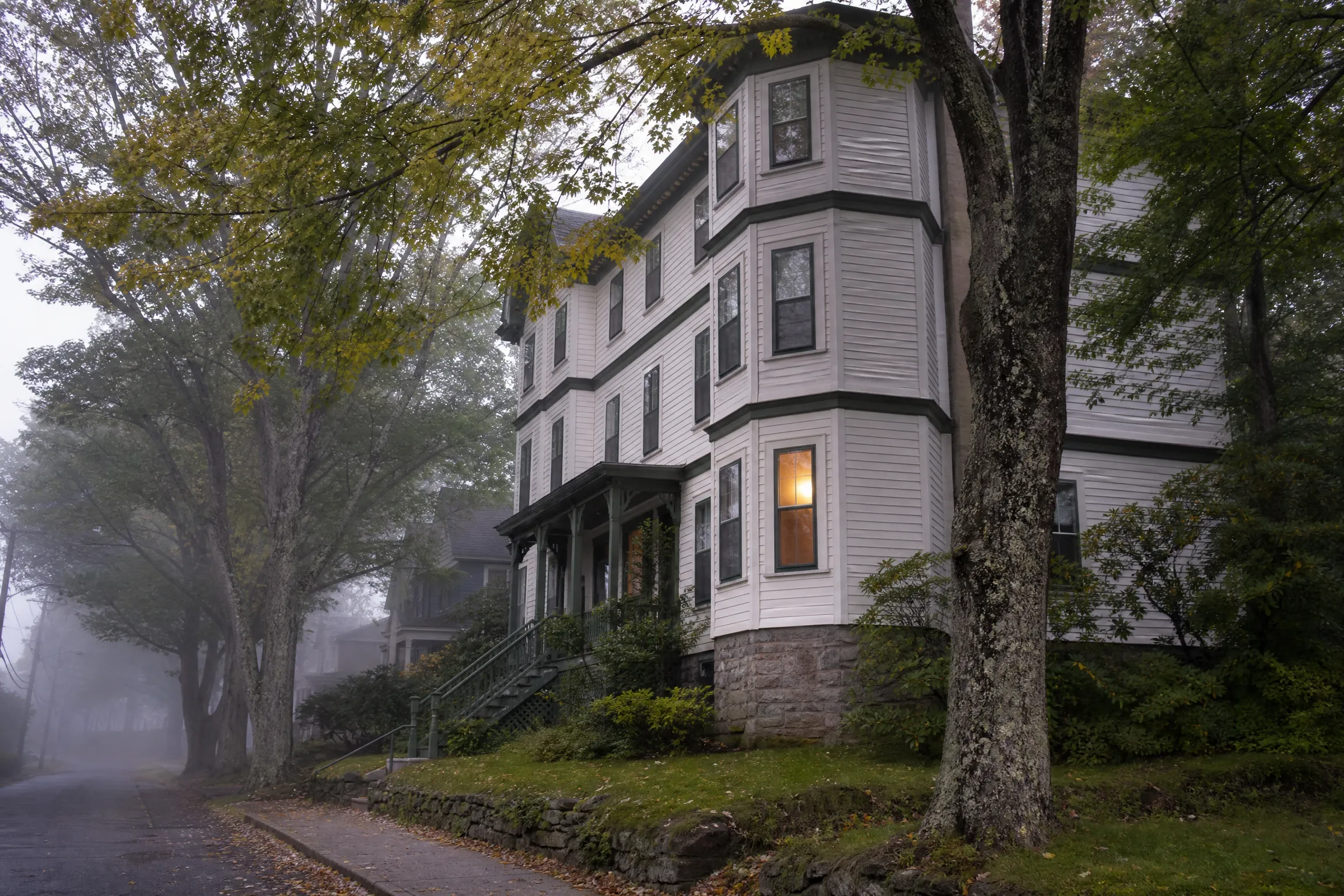
Walk Munjoy Hill, the West End, or Deering and you're looking at some of the best housing stock in New England: triple-deckers, Capes, and Colonials built between the 1850s and 1940s. Every one of them predates vapor barriers, sill gaskets, basement waterproofing, exhaust ventilation, and central dehumidification. They were built to breathe, heated by systems that dried them out, and lived in by people who opened windows. Modern life (tight storm windows, showers every day, heat turned down at night) changed the moisture math their builders assumed.
Four reasons the mold finds these houses
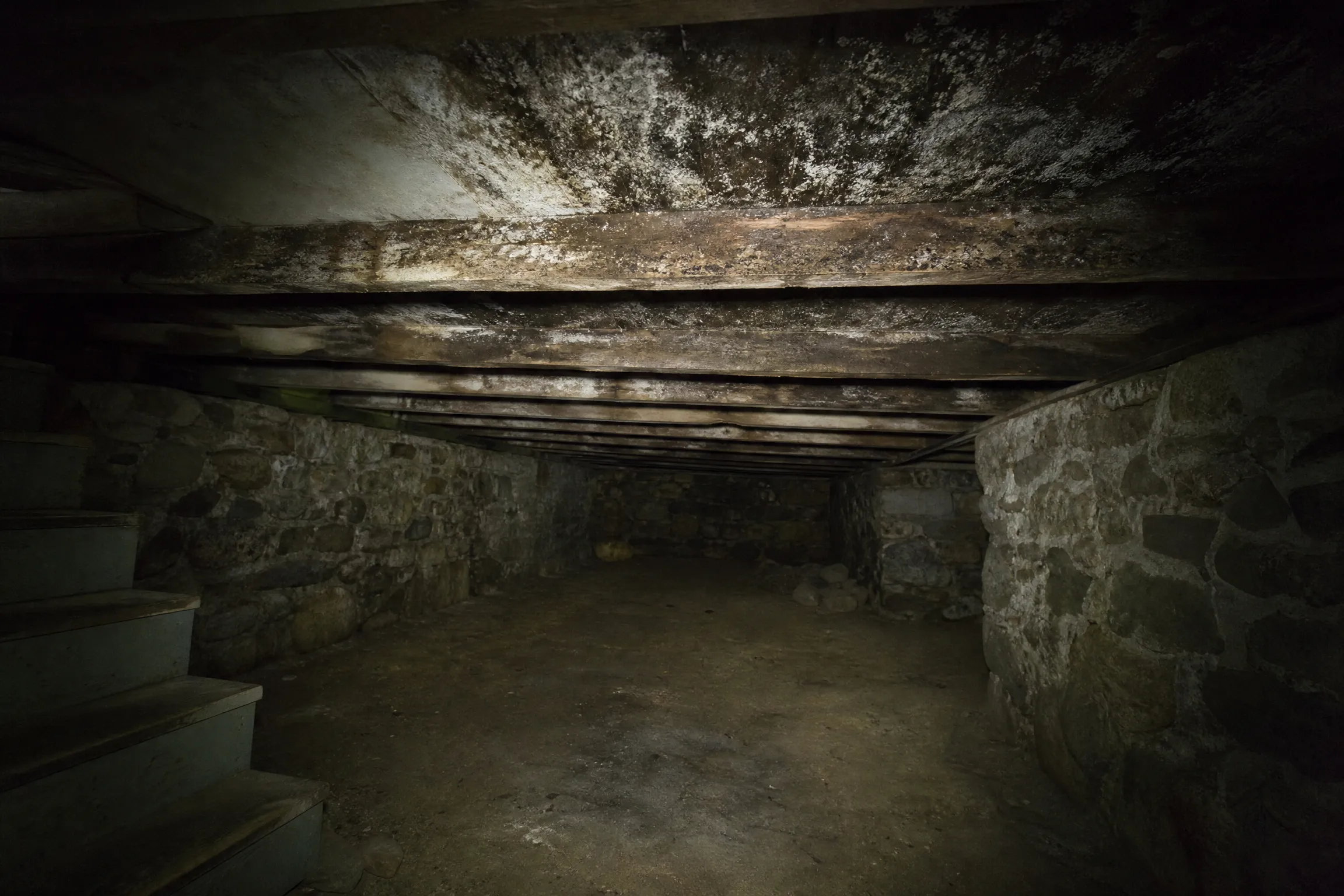
- Stone and rubble foundations. Beautiful, durable, and permeable. Ground moisture wicks through fieldstone and mortar continuously, so the basement air stays damp even when the floor looks dry. This is the engine behind the region's most common problem, basement mold.
- Casco Bay humidity. Coastal summer air routinely carries dew points that condense on anything cool: foundation walls, cold water pipes, basement floors, crawl space framing. A vented crawl space inhales it all season.
- Closed-up winters. From November to April the house is sealed tight while cooking, showers, and breathing pump moisture inward. Single-pane windows and uninsulated wall corners give it cold surfaces to condense on: hello, black spotting behind the bedroom dresser.
- Original ventilation (i.e., none). Bathrooms that never got exhaust fans (or got fans that vent into the attic) plus ice-dam winters give the top of the house its own moisture career. (More on that in ice dams and hidden mold.)
What's normal for an old house, and what isn't
Some things are just old-house life: a faint mineral smell in a stone basement, efflorescence (white crusty deposits) on foundation walls, seasonal dampness after big rains. None of those are mold, and none require panic. The line gets crossed when you have: a musty (specifically earthy/organic) smell that reaches the first floor, visible fuzzy growth on joists or stored belongings, allergy symptoms that track with being home, or any staining that returns after cleaning. That's no longer character; that's a colony.
Where prevention money actually works
In rough order of return on investment for a pre-1950 Portland home:
- A real dehumidifier in the basement, set around 50% relative humidity and draining itself so it actually runs. The single highest-leverage dollar in old-house mold prevention.
- Water management outside: gutters that work, downspouts extended away from the foundation, grading that doesn't pour rain at the stone.
- Ventilation that exhausts outdoors: bathroom fans (through the roof or wall, never into the attic) and a kitchen vent that leaves the building.
- Vapor barrier over dirt floors in crawl spaces and old basement sections.
- Attic air-sealing and soffit-to-ridge airflow, the ice dam and attic mold vaccine.
And if the house already crossed the line from damp to colonized? Remove first, prevent second: proper remediation plus the list above is the combination that actually stays fixed. If you're buying one of these houses, a mold-focused inspection before closing tells you which side of the line it's on, with real numbers attached (see what remediation costs in Maine).