Published by Portland Maine Mold Removal
How an ice dam turns into a mold problem
An ice dam is a physics problem wearing a winter costume. Heat escaping your living space warms the roof deck; the snowpack melts from below; the meltwater runs down to the eaves (which hang past the heated house and stay frozen) and refreezes into a ridge of ice. Behind that ridge, a pond forms. Shingles shed falling water, not standing water, so the pond works up under them and into the roof sheathing, insulation, and sometimes down inside the wall cavities.
The cruel part is the timeline. The leak itself is often small and silent: a damp streak on sheathing, wet insulation you never see. The attic refreezes, things look fine, and mold spores wait. When spring temperatures arrive, that stored moisture plus warmth equals a colony, which is why attic mold calls spike in April and May from water damage that happened in February.
Where to look after a bad ice winter
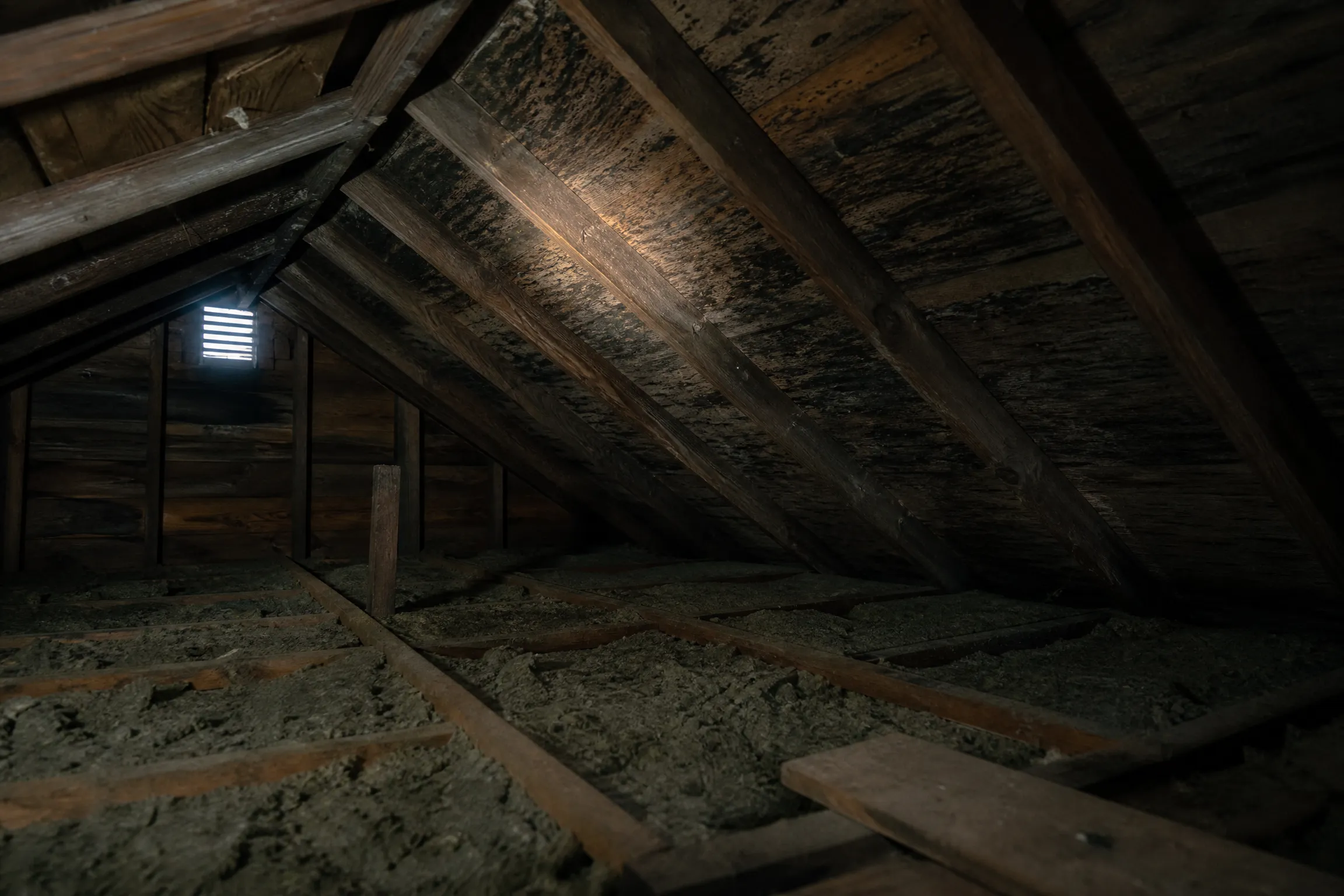
- Attic sheathing near the eaves, especially the north side and above kitchens/baths: dark streaks or spotting fanning upward from the roof edge.
- The top of exterior walls below rooflines: water that got past the sheathing runs down inside wall cavities. Peeling paint, bubbling, or staining at the ceiling line is the visible symptom.
- Ceiling stains that "dried fine." The drywall dried; the framing and insulation above it may not have. If a stain appeared during ice dam season, assume the cavity above it got wet.
- Insulation. Matted, compressed, or discolored fiberglass near the eaves means it got soaked, and wet fiberglass barely insulates, which makes next year's ice dams worse.
Breaking the cycle (the fix isn't roof rakes)
Raking the lower few feet of roof after storms helps, but it treats the symptom. Ice dams are made in your attic, not on your roof: air leaks (attic hatches, recessed lights, chases around chimneys and plumbing) and thin insulation let heat warm the roof deck, and blocked soffit vents keep the attic from staying uniformly cold. The durable fix is air-sealing those bypasses, topping up insulation, and restoring soffit-to-ridge airflow, the same prescription that keeps attic mold from returning after it's removed. One more Maine classic worth checking while you're up there: bathroom fans venting into the attic instead of outdoors, which feed both the frost and the mold.
If you find staining
Don't scrub at it and don't seal it under paint; established growth on sheathing needs contained removal, and painting over damp wood locks the problem in. Get it assessed: light surface staining caught early is a modest, contained remediation; years of repeated soakings can mean delaminating sheathing, which is a roofing conversation. Either way, the call and the quote cost nothing, and you'll know which conversation you're having. If a sale is in your future, deal with it now; attic staining is one of the most common inspection flags in the Portland market, and it costs less to fix than it costs in negotiation.