Published by Portland Maine Mold Removal
This guide is general information about how these situations typically work, not legal advice. For an actual dispute, Maine tenants can contact Pine Tree Legal Assistance; landlords should talk to their attorney.
The legal foundation: habitability, not "mold law"
Maine law implies a warranty of habitability in residential leases: rental housing must be fit for human habitation. There's no Maine statute setting indoor mold limits or making mold itself a named housing violation; instead, serious mold conditions (and more often, the water problems causing them) can make a unit unfit, the same way a failed heating system or a leaking roof can. (Maine's one mold-specific law is narrow and different in kind: under Title 10, §1480, a company offering both mold assessment and mold remediation on the same project must give the building owner a signed conflict-of-interest disclosure. Worth knowing when you hire, but it isn't a landlord-tenant standard.) Municipal housing codes add teeth: in Portland, code enforcement can inspect rentals and cite conditions like chronic leaks, inadequate ventilation, and resulting mold growth.
If you're the tenant
- Report it in writing, immediately. A dated email or letter describing the mold, its location, and any water source starts the clock and creates the record. Verbal mentions evaporate in disputes.
- Document everything: photos with dates, the musty smell's history, any leaks or floods, maintenance requests, and health symptoms if they exist.
- Control what you control. Run the bathroom fan, crack windows when cooking, don't block heating, dry wet areas you cause. Landlords' most common (and sometimes legitimate) defense is that tenant lifestyle (drying laundry indoors, never ventilating) created the humidity.
- Escalate in order: written notice → reasonable time to fix → municipal code enforcement if ignored → legal advice before touching rent. Maine has remedies for uninhabitable conditions, but withholding rent without following proper procedure can get a tenant evicted; get real legal guidance (Pine Tree Legal Assistance serves Maine tenants) before that step.
If you're the landlord
- Respond fast and in writing. Mold complaints that sit become habitability claims, code citations, and vacancy. A same-week inspection visit is cheap insurance.
- Fix water, not just stains. Painting over mold without fixing the leak or humidity guarantees a repeat complaint, now with a paper trail showing you knew. Proper remediation addresses the source.
- Get independent documentation. A third-party inspection with lab sampling establishes the actual conditions, protecting you from inflated claims, and your tenants from real exposure. If the report says the problem is tenant-generated humidity, you have facts instead of accusations; if it's building moisture, you know your scope.
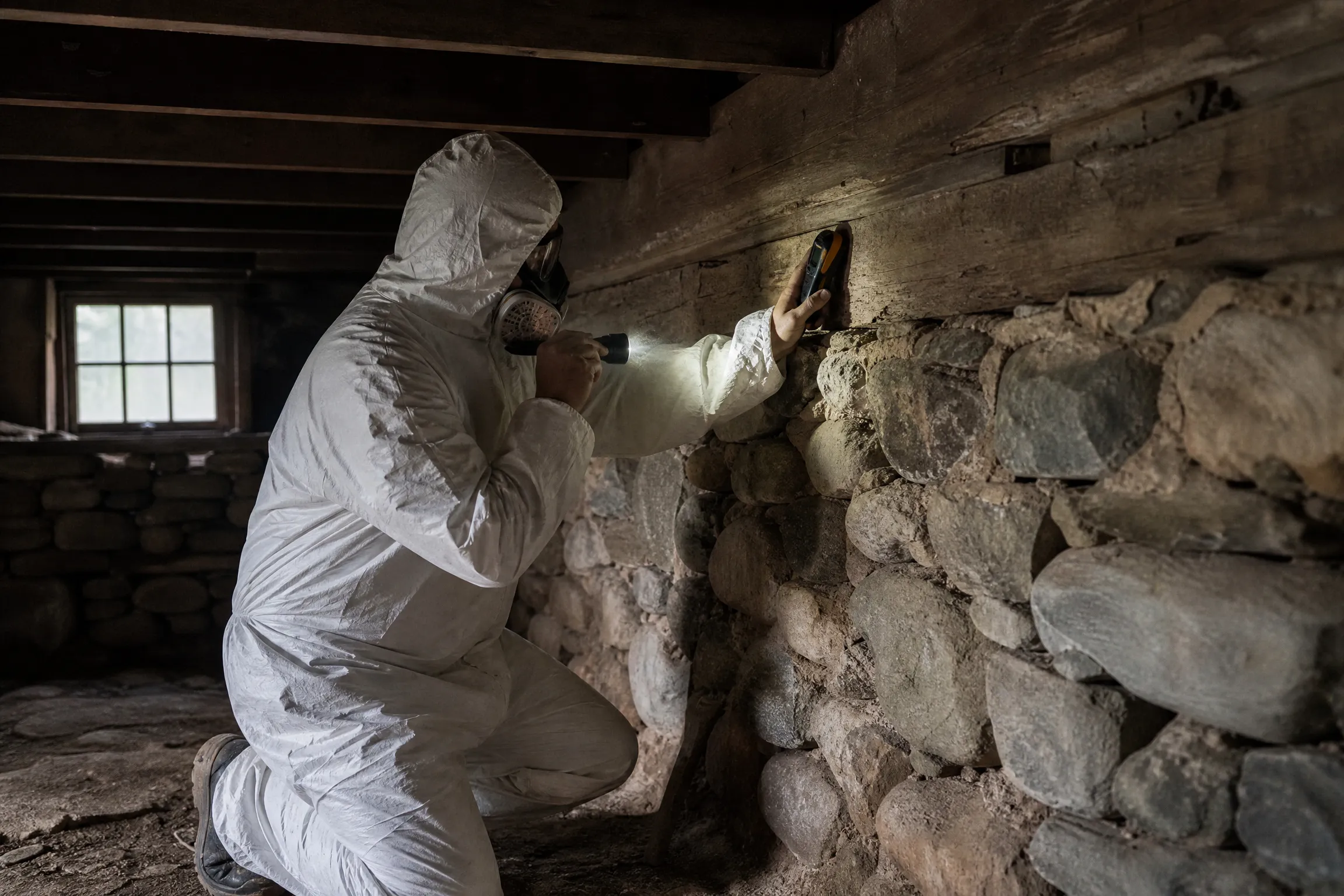
- Mind the old-building reality. Much of Portland's rental stock is pre-1950: stone foundations and original ventilation (why that matters). Basement units deserve dehumidifiers and working bath fans as standard equipment, not upgrades.
Who pays?
It follows the cause. Building-envelope moisture (foundation seepage, roof and plumbing leaks, missing ventilation) is the landlord's to fix, including the resulting mold. Conditions genuinely created by tenant behavior lean the other way, though the landlord typically still handles the remediation and the argument moves to costs. In practice, most disputes end where the moisture evidence points, which is why the independent inspection matters more than the shouting. And significant remediation in occupied rentals should include post-remediation verification; it protects everyone, and it replaces argument with documentation.
The bottom line
Tenants: report in writing, document, ventilate, escalate properly. Landlords: respond fast, fix water, get independent facts. Both: the cheapest version of this problem is the one handled the week it was reported; mold only gets more expensive with time (see what remediation costs).