Published by Portland Maine Mold Removal
First: what people mean by "black mold"
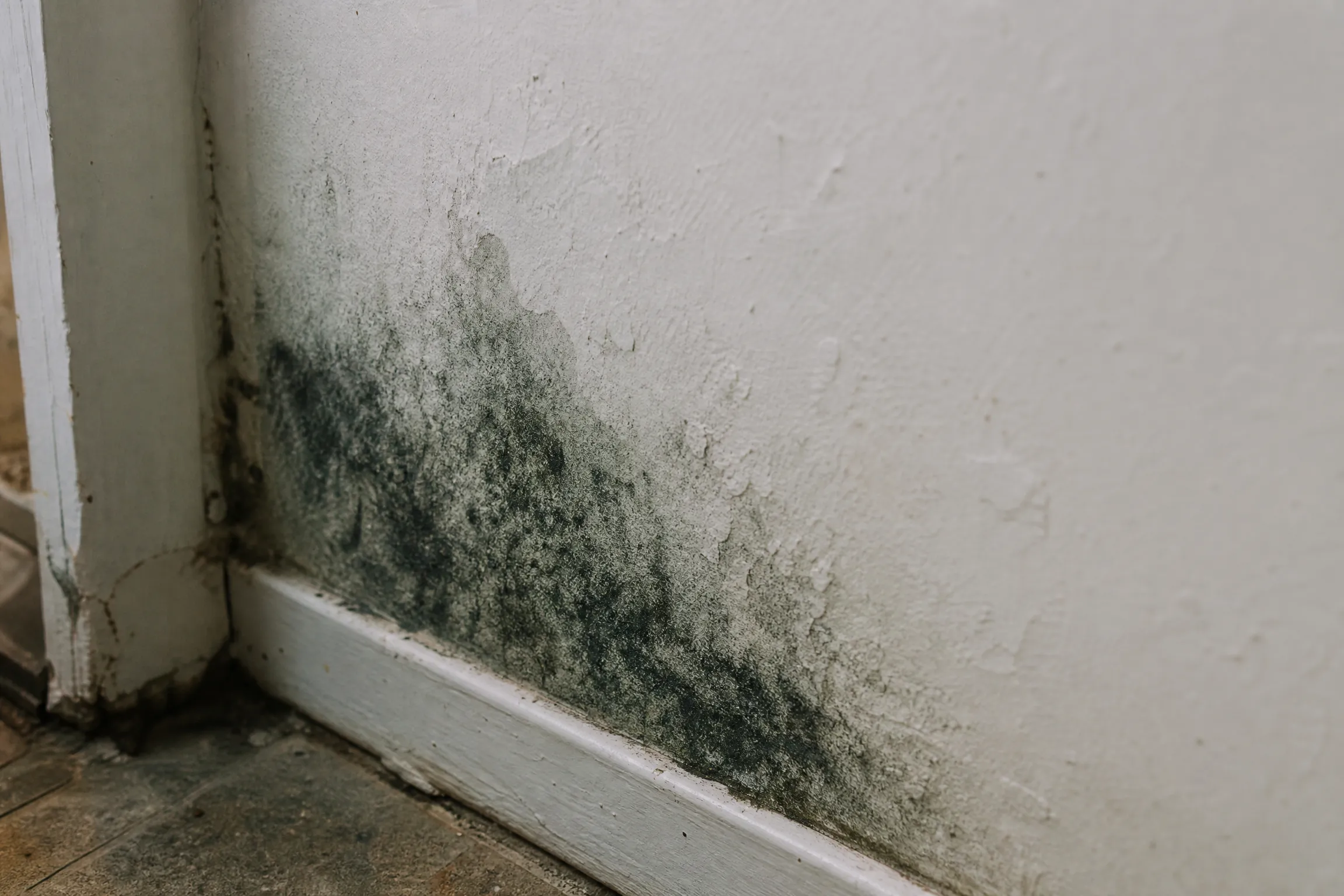
"Black mold" usually refers to Stachybotrys chartarum, a greenish-black mold that grows on chronically wet, paper-rich materials: drywall, ceiling tile, wood that's been soaked for a week or more. It has a reputation as "toxic mold" because some strains can produce mycotoxins, compounds that can irritate the airways.
But here's the part the scary articles skip: lots of molds look black, and most dark-colored growth in homes isn't Stachybotrys. Common molds like Cladosporium read as black on a wall. You genuinely cannot identify a species by eye; only lab analysis can, which is one of the few situations where professional testing earns its cost.
What the health evidence actually says
The consistent position of public health agencies (CDC, EPA) comes down to three points:
- Indoor mold exposure, of any color, can aggravate asthma and allergies and irritate the eyes, nose, throat, and lungs, with children, the elderly, and people with respiratory conditions or weakened immune systems most affected.
- The dramatic claims that made "toxic black mold" famous have not held up to scientific scrutiny; a causal link between Stachybotrys and rare severe illnesses has never been established.
- Species identification doesn't change the prescription: any substantial indoor mold growth should be removed and its moisture source fixed, regardless of what kind it is.
In other words: black mold is neither the household poison the internet sells, nor something to shrug at. It's a fixable building problem with real but usually modest health stakes, stakes that rise the longer it grows and the more vulnerable the people breathing the air.
When you should genuinely take it seriously
- The growth is substantial: bigger than about 10 square feet, or recurring after cleaning. That's beyond DIY territory per EPA guidance, mostly because disturbing a large colony without containment spreads spores house-wide.
- Someone in the house is symptomatic: allergies or asthma that flare at home and ease when away, unexplained respiratory irritation, or a household member who is immunocompromised, elderly, or an infant.
- It signals chronic moisture. Stachybotrys in particular doesn't grow on things that got damp once; finding it means water has been feeding that spot for a while, and the water damage may be a bigger deal than the mold itself.
What to do (and not do) right now
Don't scrub it, and put down the bleach. Aggressive cleaning of a large colony launches spores into the air, and bleach on porous materials like drywall and wood mostly adds moisture: the surface lightens while the roots keep growing. Keep the area closed off, don't aim fans at it, and get a professional read on it.
A small patch on hard bathroom surfaces? That one's yours: ventilate, clean with a detergent solution, dry thoroughly, and fix the ventilation that let it grow. The dividing line is size, material, and recurrence: when growth is large, on porous material, or keeps returning, professional black mold removal with real containment is the answer. Around Greater Portland, that chronic moisture usually traces to a damp basement, our old housing stock's specialty.